Reviews

Best Booster Seats 2026: 5 Picks Compared

Booster car seat installed on the rear bench seat of a car

At a glance

The comparison at a glance

ModelPrice tierBest for
Safety 1st Grand 2-in-1High-back · converts to backless $$Mid-range Most families — one seat that grows with the child
Chicco KidFit ClearTex Plus 2-in-1High-back · belt-positioning $$$Premium Taller children who still need a backrest
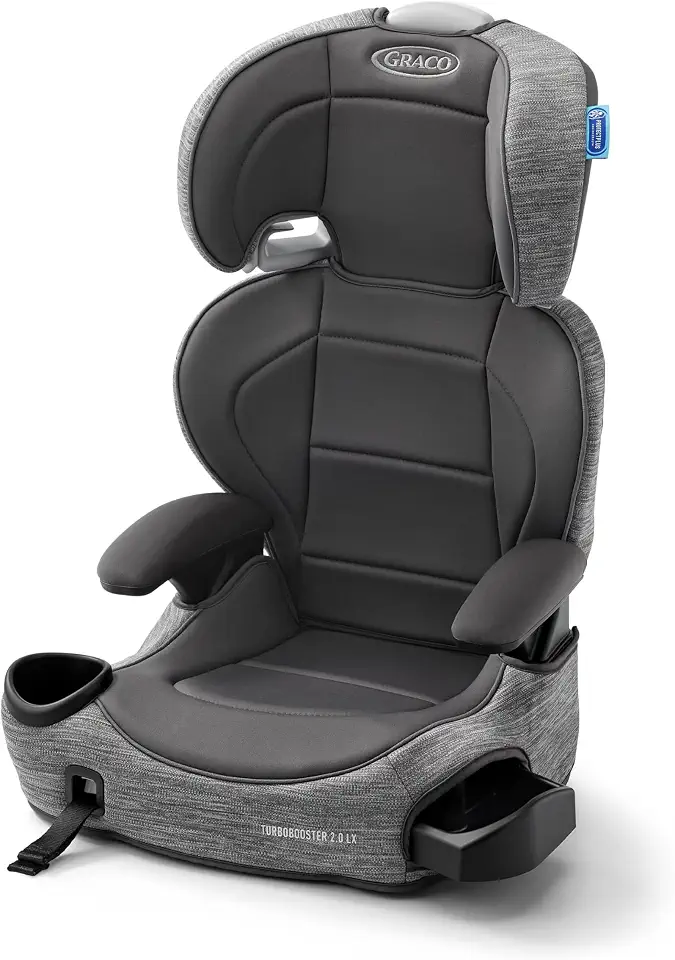
Graco TurboBooster 2.0 LXHigh-back & backless $$$Premium The most familiar all-rounder
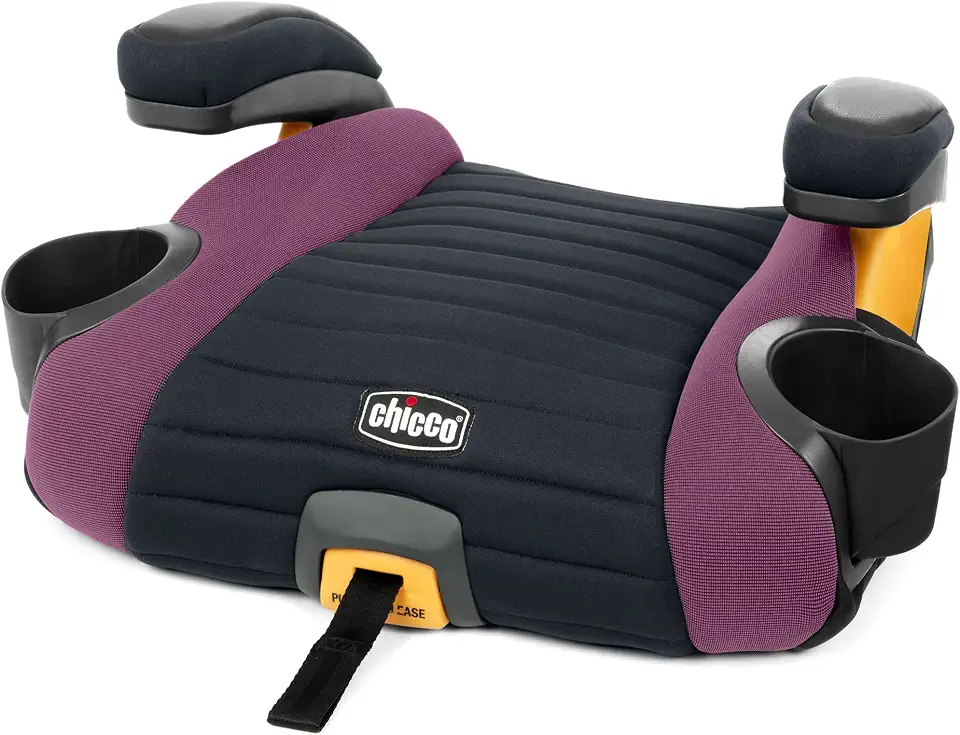
Chicco GoFit PlusBackless · quick-release LATCH $$Mid-range A backless seat that stays put
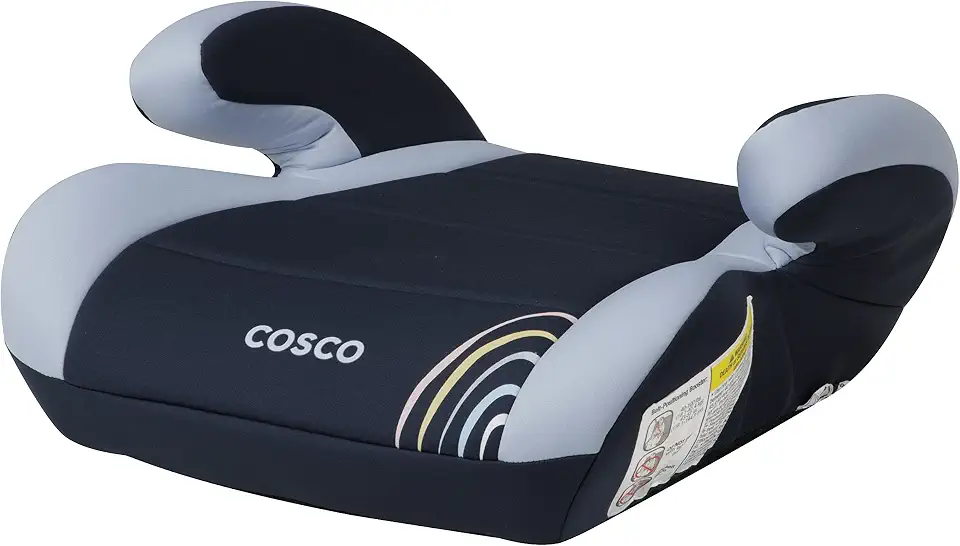
Cosco TopsideBackless · lightweight $Budget The cheapest seat that does the job properly
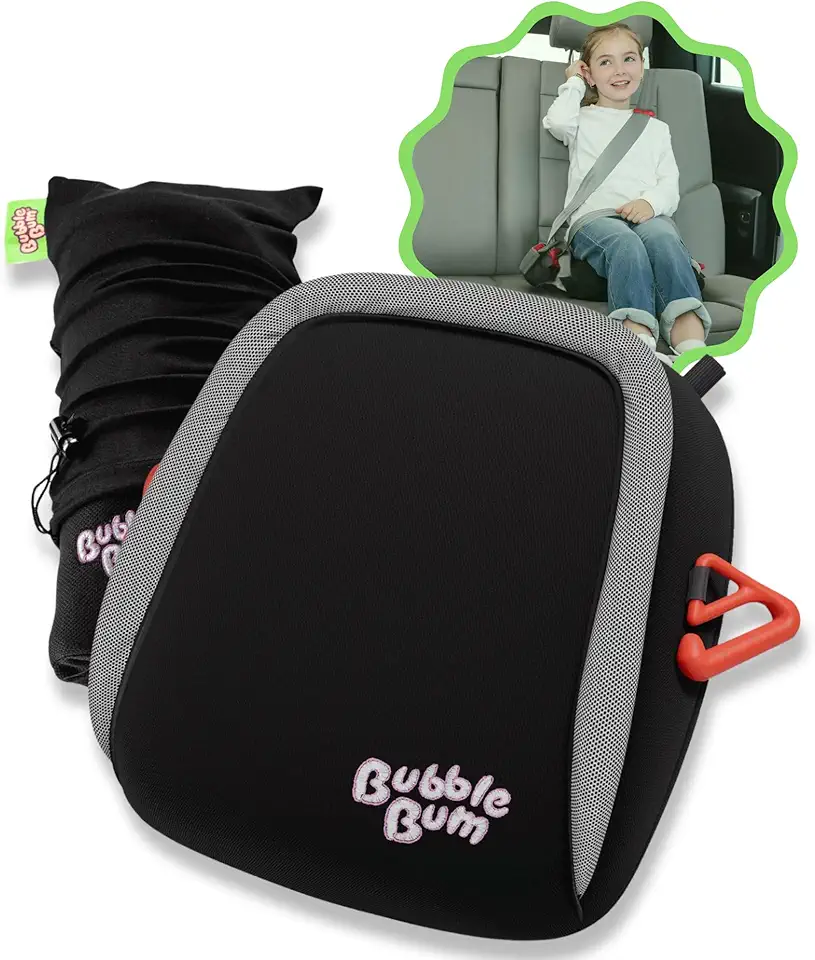
BubbleBum InflatableBackless · inflatable, narrow $Budget Travel, taxis and three-across benches

The picks

The seats, in detail

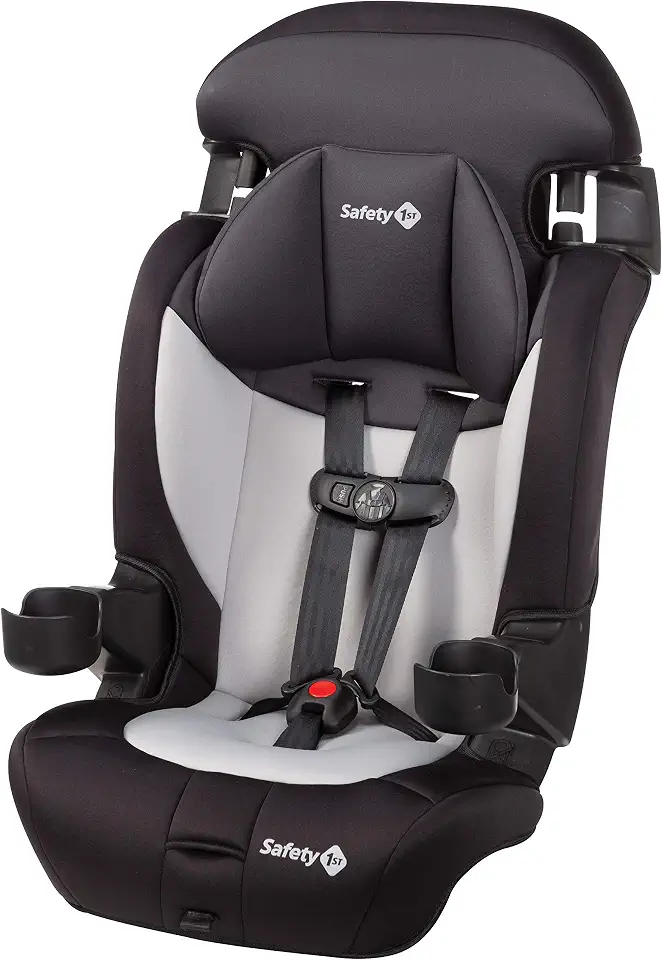
Safety 1st Grand 2-in-1 — The booster that stays useful the longest, at a mainstream price.
Best overall value

Safety 1st Grand 2-in-1

The booster that stays useful the longest, at a mainstream price.

Check price on Amazon Price tier: $$ · Mid-range

Why it is here: it converts from a high-back booster into a belt-positioning backless one. That matters because a high-back seat gives a child head and neck support and helps route the shoulder belt, but most children eventually want the backrest gone. Buying one product that does both avoids a second purchase. It is also one of the most-reviewed booster seats on Amazon, which is a rough proxy for how a seat survives years of daily use.

Pros

  • Converts from high-back to backless — no second purchase
  • Belt-positioning by design
  • Very widely owned, so long-term owner impressions are easy to find

Cons

  • Two-in-one seats are usually bulkier than a dedicated backless
  • Cup holders are a common complaint in owner reports
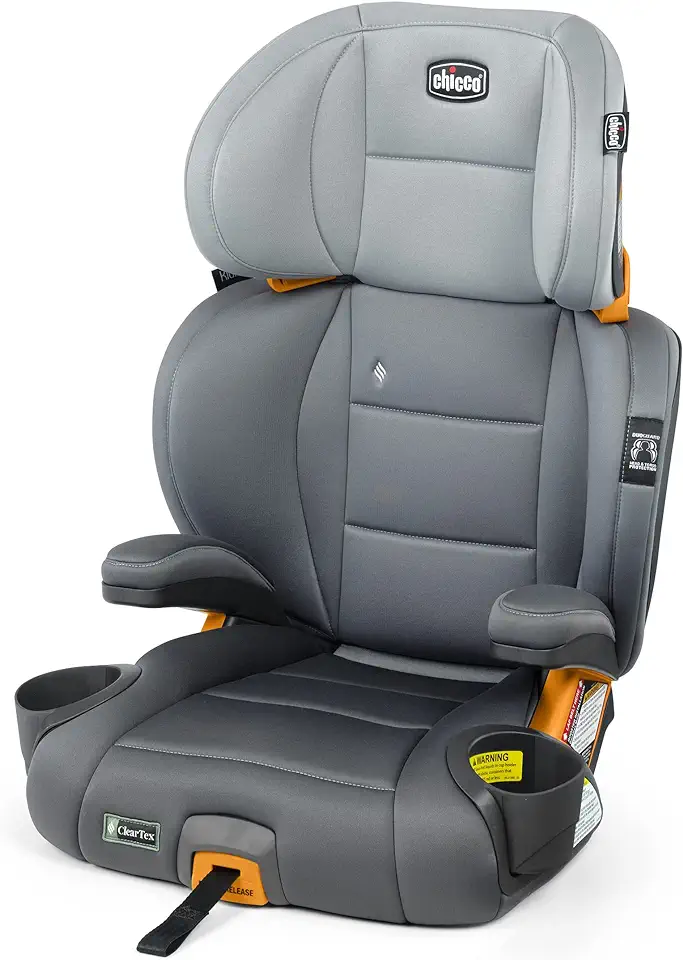
Chicco KidFit ClearTex Plus 2-in-1 — Children who are tall for their weight and still need a backrest.
Best high-back for taller children

Chicco KidFit ClearTex Plus 2-in-1

Children who are tall for their weight and still need a backrest.

Check price on Amazon Price tier: $$$ · Premium

Why it is here: a high-back that also detaches into a backless seat. A backrest does two jobs: it supports the head and neck in a side impact, and it guides the shoulder belt so it does not ride across the neck. For a child who is tall but not heavy, the backrest is the part you want to keep — and this is one of the seats that lets you keep it and then remove it later.

Pros

  • High-back with a detachable backrest
  • Shoulder-belt guide built into the headrest
  • Machine-washable fabrics

Cons

  • Priced at the upper end of the mid-range band
  • Headrest depth suits some cars better than others
Graco TurboBooster 2.0 LX — The safest bet if you do not want to research further.
The familiar all-rounder

Graco TurboBooster 2.0 LX

The safest bet if you do not want to research further.

Check price on Amazon Price tier: $$$ · Premium

Why it is here: the TurboBooster line has been sold for years and is one of the most frequently recommended high-back boosters. This version works as a high-back and converts to backless. When a model has this much history behind it, problems tend to show up in owner reviews rather than after you buy.

Pros

  • High-back and backless in one
  • Long-selling model with a large review base
  • Widely stocked, easy to replace or add a second one

Cons

  • Many near-identical colour variants — check you are buying the trim you want
  • Backrest is not the deepest available
Chicco GoFit Plus — A backless seat that will not slide around the bench.
Best backless with LATCH

Chicco GoFit Plus

A backless seat that will not slide around the bench.

Check price on Amazon Price tier: $$ · Mid-range

Why it is here: it has a quick-release LATCH connection. A booster is not bolted to the car — it sits on the seat, which means an empty one slides when the car turns. LATCH does not change the crash performance, because the seat belt does that work; it stops the seat moving out of position between trips, so it is where you left it when your child climbs in.

Pros

  • Quick-release LATCH keeps the seat anchored
  • Backless, so it takes very little space
  • Higher owner rating than most backless seats here

Cons

  • LATCH anchors are not available in every seating position
  • A backless seat offers no head or neck support
Cosco Topside — The lowest-cost seat that still does the job properly.
Best budget backless

Cosco Topside

The lowest-cost seat that still does the job properly.

Check price on Amazon Price tier: $ · Budget

Why it is here: it is a plain belt-positioning backless booster listed for children from 40 to 100 lb, and it is the most widely owned seat on this page by a wide margin. There is no extra mechanism to go wrong. For a second car, a grandparent's car, or a spare that lives in the boot, this is the sensible buy — and it is cheap enough to own two.

Pros

  • Lowest price here by a large margin
  • Very lightweight — easy to move between cars
  • Listed for 40–100 lb
  • Huge existing owner base

Cons

  • No LATCH, so it slides when empty
  • Backless only, with no shoulder-belt guide beyond the belt-positioning clip
BubbleBum Inflatable — Taxis, hire cars and fitting three across.
Best for travel and tight benches

BubbleBum Inflatable

Taxis, hire cars and fitting three across.

Check price on Amazon Price tier: $ · Budget

Why it is here: it deflates into a small bag, which makes it the only seat here you can pack in hand luggage or keep in a glovebox. It is also narrow, so it is a common way to solve a three-across bench. Listed for 40–110 lb. The trade-off is real: it is an inflatable, and it scores lower with owners than the rigid seats above, so treat it as the travel and tight-fit tool rather than the everyday seat.

Pros

  • Folds into a bag — usable in taxis and on holiday
  • Narrow enough to help with three across
  • Listed for 40–110 lb

Cons

  • Lowest owner rating on this page
  • Inflatable — you must check it is firm and correctly positioned every time
  • No head or neck support

How this list is built

How this list is built

I do not crash-test seats, and neither does anyone else writing about them online. So this list is built from the places that do test — and it is explicit about what is measured versus what is judgement.

01

Published standards and recall data

Every booster sold in the US must meet FMVSS 213, and the CPSC publishes recalls publicly. Any model with an open recall is removed rather than footnoted.

02

Manufacturer specifications

Weight ranges and belt-routing instructions are read from the manufacturer's own listing and manual — not inferred from a photo or a review.

03

Owner reports at scale

Seats are ranked partly on how many people own them and how they describe them after a year, not after a week. A seat with thousands of long-term reports is easier to trust than one with fifty.

04

Belt fit over brand

The question a booster answers is where the lap belt sits and where the shoulder belt crosses. Seats here are grouped by the job they do — high-back, backless, LATCH, travel — rather than by price.

05

Re-checked

Specifications change and recalls happen. Every model on this page is re-verified before the date at the top of the page.

Common questions

Booster seat questions, answered

What weight can a child go on a booster seat?

A booster seat is for a child who has outgrown their harnessed car seat by weight or height. The seat itself will list a range — the backless boosters on this page are commonly listed from 40 lb upwards, and the two-in-one seats start lower when used in high-back mode.

The exact number for your child is printed in the manual of the seat you are considering, so check that rather than a general figure. A child who has not outgrown a harness should stay in one.

What age and height for backless booster?

Age and height are both rough guides, and the reliable one is fit: the lap belt should sit low across the hips and touch the thighs, and the shoulder belt should cross the middle of the shoulder rather than the neck.

The seat's own manual gives the weight and height range it is approved for. Requirements also differ between states, so if you want certainty about your own child, ask a certified child passenger safety technician or your local safety authority.

Is a 7 year old too big for a booster seat?

It depends on size, not the birthday. The usual marker is when the child can sit against the vehicle seat back with knees bending naturally at the seat edge, and the adult seat belt fits them correctly without the booster — lap belt low on the hips, shoulder belt across the mid-shoulder.

Many children still need a booster at seven, especially backless seats, which the seats here are listed for up to around 100–110 lb. The belt fit test is the thing to actually run.

Can a 4 year old use a backless booster seat?

Most backless boosters are listed from 40 lb upwards, and a four-year-old may well meet the weight but not yet sit still enough for a backless seat to keep the belt in position — a high-back booster gives more support and better belt routing for younger children.

Whether a specific child is ready is a question for the seat's manual and for a certified child passenger safety technician who can see your child in your car. This page compares products; it does not assess individual children.

Is a high back booster safer than a regular booster?

A high-back booster adds two things a backless seat cannot: head and neck support, and a shoulder-belt guide that keeps the belt off the neck. Those help most in a side impact and for a child who tends to slump or fall asleep.

A backless booster does the lap-and-shoulder belt positioning just as well as a high-back one does, and both are held to the same federal standard. The practical difference is support and belt routing, which is why a high-back is usually the better starting point and a backless seat is what most children finish in.

What is the best booster seat for a 5-year-old child?

At five, a high-back seat is usually the better choice, because the backrest supports the head and keeps the shoulder belt in the right place. The Safety 1st Grand 2-in-1 and the Chicco KidFit ClearTex Plus on this page both work as high-backs and then convert to backless, so the same seat covers the years ahead.

Whichever you pick, check the seat's listed weight range against your child, and follow the installation instructions in its manual.