Reviews

Best Lightweight Car Seats for Travel 2026

Cosco Topside backless booster car seat on a plain white background

At a glance

The comparison at a glance

ModelPrice tierBest for
UberBoost InflatableBackless · 1.1 lb · deflates into a bag $Budget The lightest seat here, and it packs down to almost nothing
mifold Comfort Grab-and-goBackless · 1.7 lb · folds flat $$Mid-range Lightest rigid seat with a large, proven owner base
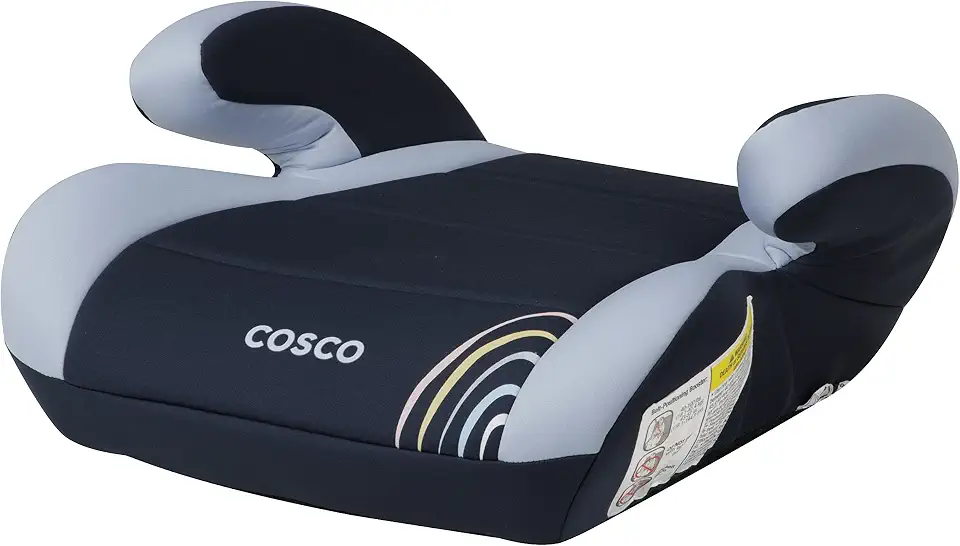
Cosco TopsideBackless · 2.5 lb $Budget A spare or travel seat at the lowest cost
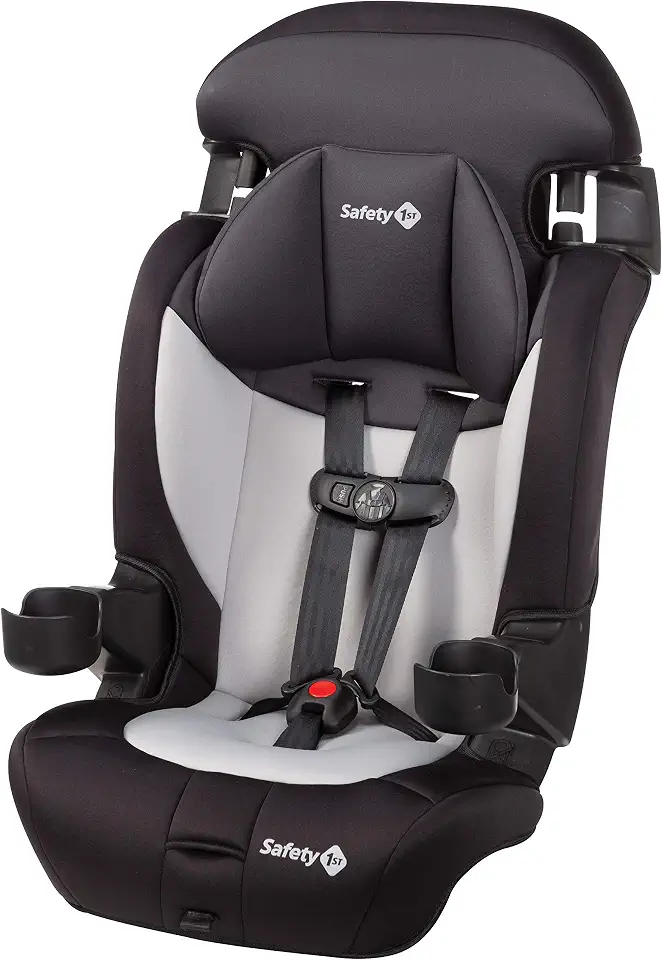
Safety 1st Grand 2-in-1High-back · 8 lb · converts to backless $$Mid-range The lightest seat that still has a backrest
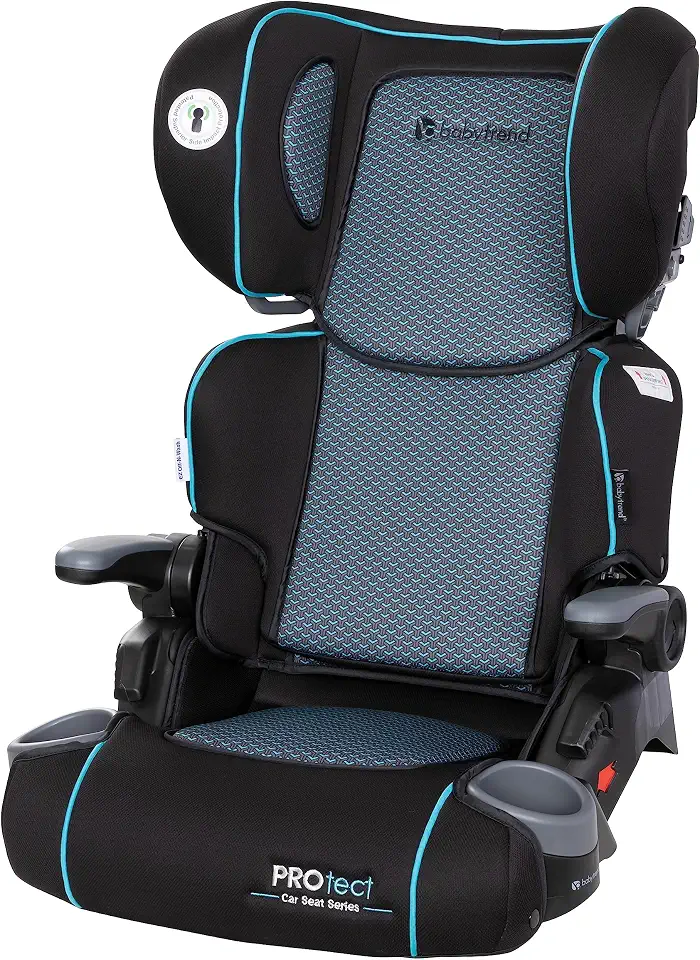
Baby Trend PROtect 2-in-1 FoldingHigh-back · 10 lb · folds flat $$Mid-range Folding flat to fit in a bag or a car boot
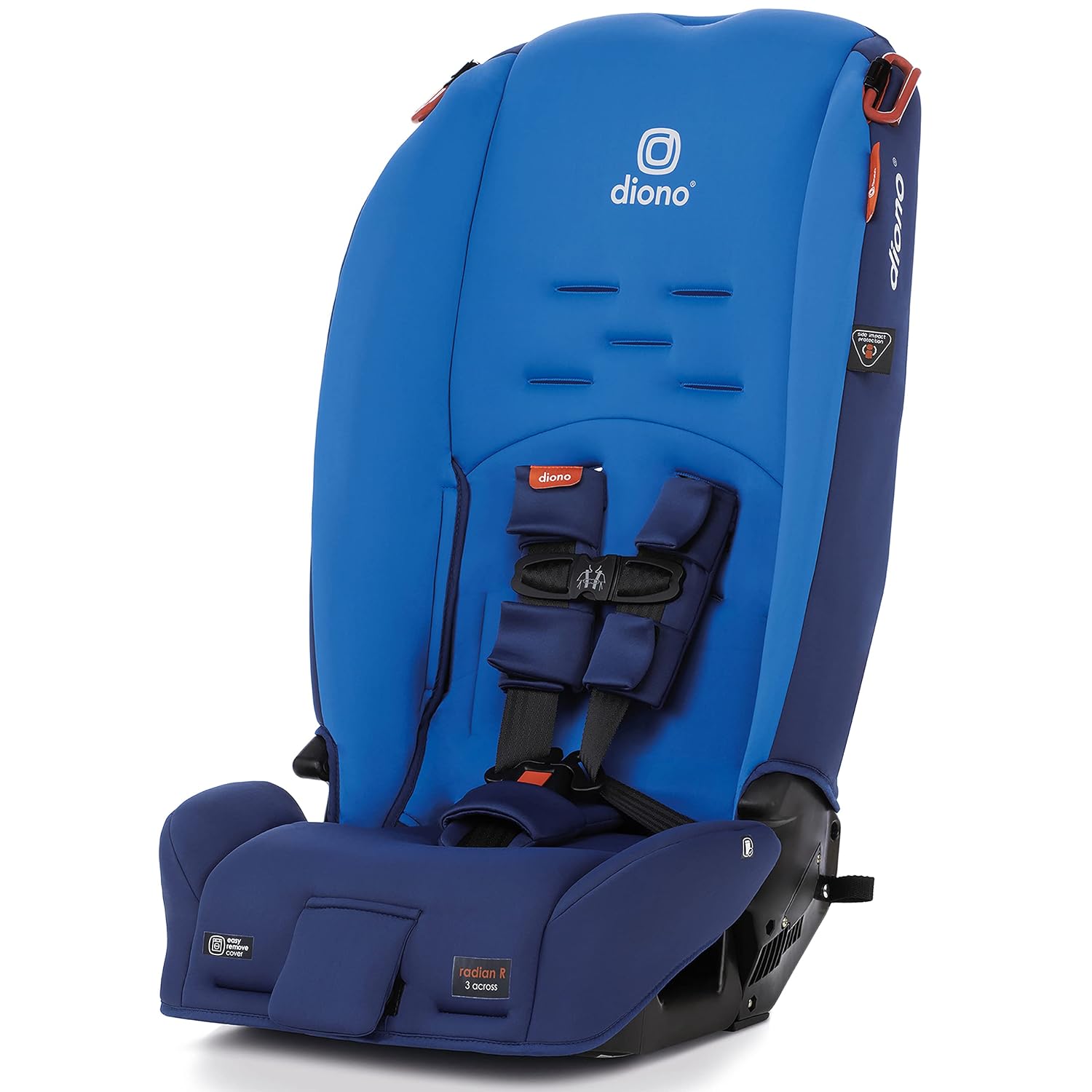
Diono Radian 3RConvertible · 24 lb · folds for travel $$$Premium A harnessed seat that still folds and fits three across

The picks

The seats, in detail

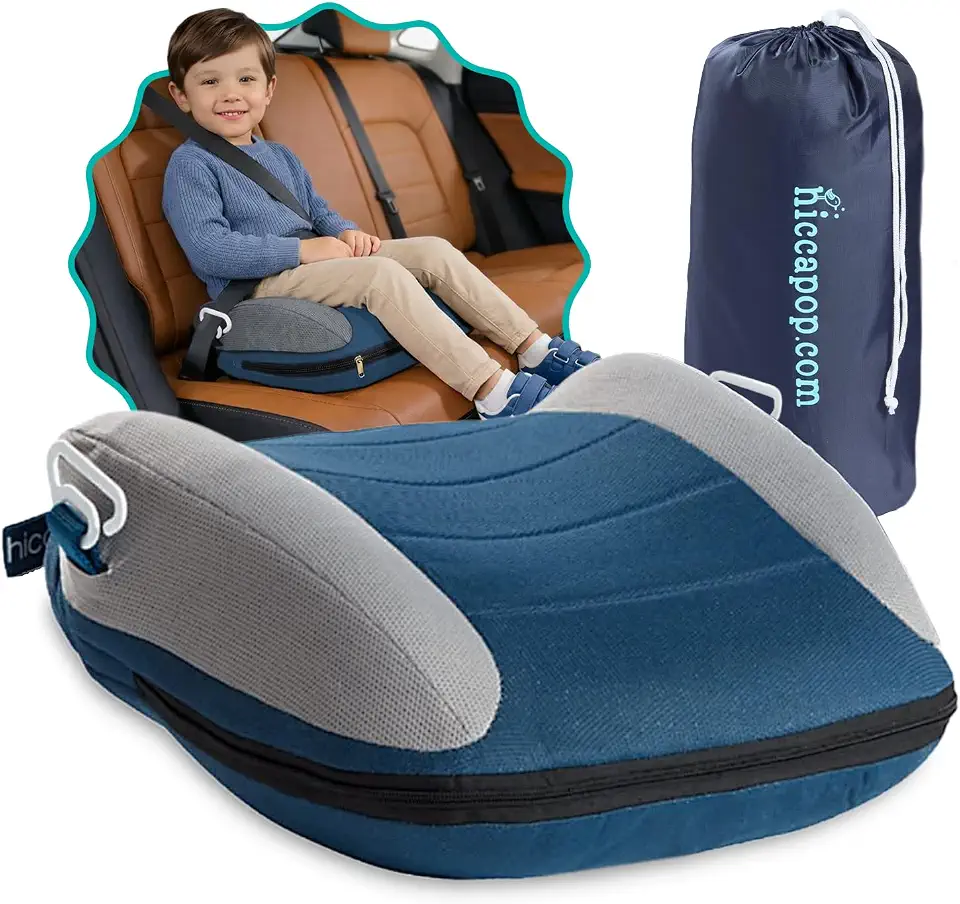
UberBoost Inflatable — The lightest way to keep a child properly belted away from home.
Lightest seat here

UberBoost Inflatable

The lightest way to keep a child properly belted away from home.

Check price on Amazon Price tier: $ · Budget

Why it is here: it weighs 1.1 lb, which is less than a filled water bottle, and it deflates flat enough to go in a bag you were already packing. It works as a backless booster: the inflatable body lifts the child so the vehicle's lap belt sits across the hips rather than the stomach, and the belt guides hold the shoulder belt where it belongs. It is aimed squarely at taxis, hire cars and holidays, and it has a large owner base — which matters, because an inflatable relies on you checking it is firm and correctly placed every single time.

Pros

  • 1.1 lb — the lightest seat on this page
  • Deflates into a small bag for hand luggage or a glovebox
  • Thousands of owner reports, so its weaknesses are well documented

Cons

  • Inflatable — must be checked for firmness and position before every trip
  • Backless only, with no head or neck support
  • Owner rating lower than the rigid seats below
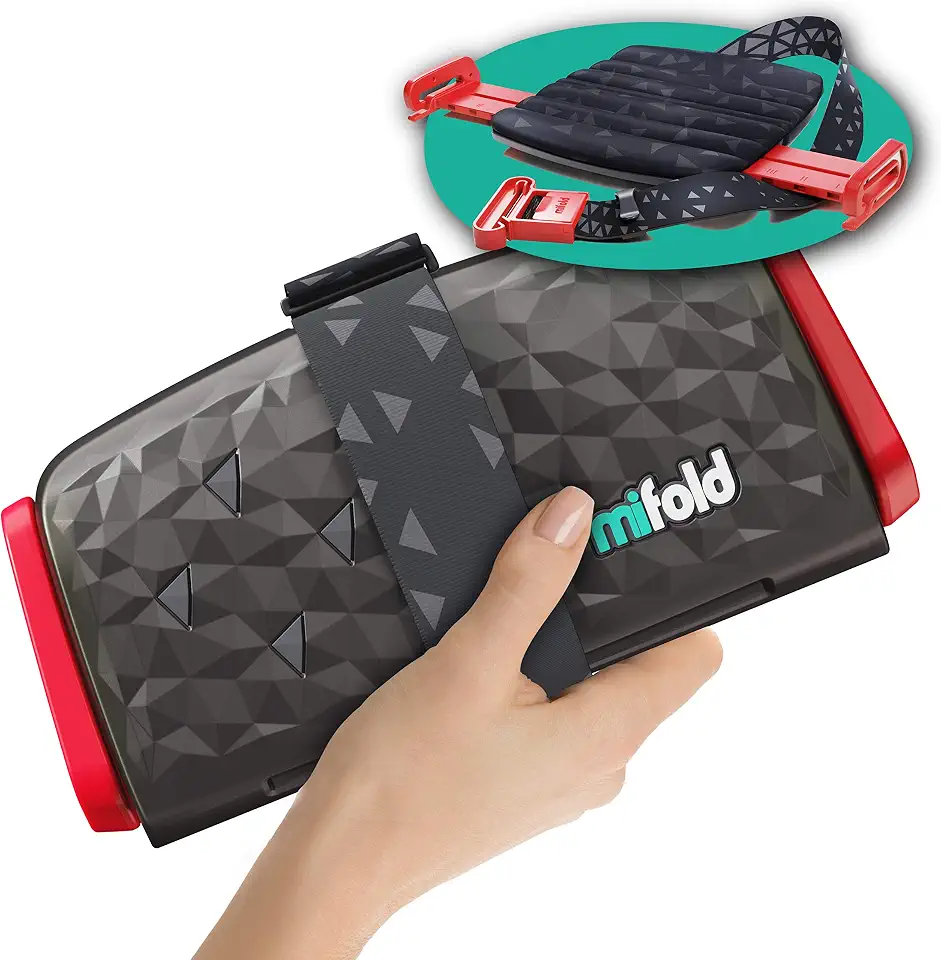
mifold Comfort Grab-and-go — The lightest seat here that holds its own shape.
Best rigid ultra-light

mifold Comfort Grab-and-go

The lightest seat here that holds its own shape.

Check price on Amazon Price tier: $$ · Mid-range

Why it is here: at 1.7 lb it is barely heavier than the inflatable above, but there is nothing to pump up — it unfolds and holds its shape. Its design is unusual: rather than lifting the child, it pulls the vehicle's lap belt down so it sits across the hips, and clips the shoulder belt into place. That is what lets it fold small enough to live in a bag. It is a backless booster, so it is for a child who has already outgrown a harnessed seat.

Pros

  • 1.7 lb and folds flat — nothing to inflate
  • Adjustable to keep the lap belt low on the hips
  • Large owner base and a long-selling design

Cons

  • Backless only — no head or neck support
  • Needs correct belt routing every single time
  • Owner rating is lower than the rigid seats below
Cosco Topside — A travel or spare seat when the budget is the deciding factor.
Cheapest way to travel light

Cosco Topside

A travel or spare seat when the budget is the deciding factor.

Check price on Amazon Price tier: $ · Budget

Why it is here: at 2.5 lb it is within a pound and a half of the lightest seat on the page, and it is the cheapest by a wide margin. There is no folding mechanism and no LATCH — it is a plain belt-positioning backless booster, which is exactly why it is light. For a second car, a grandparent's car, or a seat that lives in the boot between trips, that simplicity is the point.

Pros

  • 2.5 lb, and the lowest cost here by a wide margin
  • Simple — nothing to fold, inflate or adjust
  • Very large owner base, so long-term reports are easy to find

Cons

  • No LATCH, so it slides on the bench when empty
  • Backless only, with no head or neck support
  • Basic padding compared with the seats below
Safety 1st Grand 2-in-1 — A child who still needs a backrest, without carrying a heavy seat.
Lightest with a backrest

Safety 1st Grand 2-in-1

A child who still needs a backrest, without carrying a heavy seat.

Check price on Amazon Price tier: $$ · Mid-range

Why it is here: it weighs 8 lb, which is light for a high-back booster. A backrest does two jobs a backless seat cannot: it supports the head and neck in a side impact, and it routes the shoulder belt so it does not ride across the neck. This one converts to a backless seat when your child no longer wants the back, so one purchase covers the rest of the booster years.

Pros

  • 8 lb — light for a high-back seat
  • Converts to a belt-positioning backless booster
  • Shoulder-belt guide built into the headrest

Cons

  • Still several times the weight of the backless seats above
  • Bulkier to pack than anything that folds
  • Cup holders are a recurring owner complaint
Baby Trend PROtect 2-in-1 Folding — Packing a high-back seat into a bag rather than carrying it loose.
Folds flat

Baby Trend PROtect 2-in-1 Folding

Packing a high-back seat into a bag rather than carrying it loose.

Check price on Amazon Price tier: $$ · Mid-range

Why it is here: it is the only high-back seat on this page that folds. In high-back mode it weighs 10 lb, and the backrest detaches so it becomes a 4 lb backless booster — so the same product covers both the bag you check and the seat you actually use at the far end. If you want a backrest on holiday but not a seat-shaped object in your hand, this is the compromise.

Pros

  • Folds flat for packing — unusual in a high-back
  • Converts to a 4 lb backless booster
  • Lighter in high-back mode than most seats with a backrest

Cons

  • Folding mechanism is one more thing to get right before every trip
  • Fewer owner reports than the other seats here
  • The backless mode is very basic
Diono Radian 3R — A child still in a harness, where a folding seat matters most.
The harnessed seat that folds

Diono Radian 3R

A child still in a harness, where a folding seat matters most.

Check price on Amazon Price tier: $$$ · Premium

Why it is here: at 24 lb this is the heaviest seat on the page, and it is included for one reason — it folds flat, to roughly 28.5 by 17 by 11.5 inches, which is what makes a harnessed seat transportable at all. It is also narrow enough to fit three across a bench. If your child is too young for a booster and you are flying to a hire car, this is the honest answer, and the weight is the price you pay for it.

Pros

  • Folds flat — rare for a harnessed convertible seat
  • Narrow enough to help with three-across seating
  • Long usable life: rear-facing through to booster mode

Cons

  • 24 lb — heaviest here, by a large margin
  • Heavy enough to need a trolley rather than a shoulder
  • The steel frame is what makes it both strong and heavy

How this list is built

How this list is built

Weight is the one number this page turns on, so it is measured, not estimated — and it comes from a different place than the prices do.

01

Weights are sourced, never guessed

Every weight on this page comes from the manufacturer's own specification or a retailer's published product data, and the source is recorded for each seat. Where two sources disagree, both are checked before a figure is published. A weight is never estimated, because the entire page is an argument about weight.

02

Child limits are not seat weights

A car seat listing is full of numbers like 40–100 lb and 5–40 lb. Those are the CHILD weights the seat is rated for. They say nothing about how heavy the seat itself is, and the two are routinely confused. Only the second number appears here.

03

Published standards and recall data

Every seat sold in the US must meet FMVSS 213, and the CPSC publishes recalls publicly. A model with an open recall is removed rather than footnoted.

04

Owner reports at scale

A very light seat with almost no owner history is not useful advice, so seats are ranked partly on how many people own them and what they say after a year rather than a week. That is why the lightest seat on the market is not automatically the one recommended.

05

Re-checked

Specifications, weights and recalls all change. Every seat on this page is re-verified before the date at the top of the page.

Common questions

Travel car seat questions, answered

What is the lightest car seat to travel with?

The lightest seat on this page is the UberBoost Inflatable at 1.1 lb, followed by the mifold Comfort Grab-and-go at 1.7 lb and the Cosco Topside at 2.5 lb. All three are backless boosters, so all three are for a child who has outgrown a harnessed seat.

The real dividing line is not the lightest possible seat — it is whether your child still needs a harness, because a harnessed seat is several times heavier than any booster. The lightest harnessed option here, the Diono Radian 3R, is 24 lb.

What is the easiest car seat to travel with?

Easiest usually means fewest things to carry, not lowest weight. A backless booster that packs into a bag is the easiest to move, because it goes into luggage you were already bringing — that is the case for both the UberBoost and the mifold.

For a younger child the calculation changes. The Diono Radian 3R folds flat, which makes a harnessed seat manageable, and the Baby Trend PROtect 2-in-1 folds too while giving a backrest. Which of those is easiest depends on whether you are flying or hiring a car, and on how old your child is.

Can you bring a car seat on a plane?

Yes — car seats are routinely taken on aircraft, either as a checked item, gate-checked, or used in a seat on board. A seat used on board must be approved for aircraft use, which is marked on the seat's own label.

The rules differ by airline and by fare class, and they change, so confirm the current policy with the airline you are flying before you travel rather than relying on a general answer. This page compares seats; it cannot tell you what your specific airline will accept.

Is it free to bring a car seat on a flight?

Most airlines do not charge for a car seat, and many treat it as an extra allowance rather than part of your baggage — but policies vary and are revised, so the only reliable figure is the one from your airline for your fare.

Whether the seat travels as checked baggage, as a gate-checked item, or as an occupied seat on board also affects what you pay. Check the airline's own current policy before booking.

Should a toddler use a car seat on a plane?

A car seat on board is the way to keep a small child restrained to the same standard they are used to in a car, and a seat approved for aircraft use can be installed in an aircraft seat. Whether a given child is better off in a car seat or an airline's own harness is a judgement for the parent, and for the airline's rules.

If you are unsure what suits your child, ask your airline about their policy and, for questions about your child specifically, speak to a certified child passenger safety technician.

What are some good travel booster seats for kids?

For packing small, the UberBoost Inflatable at 1.1 lb deflates into a bag and the mifold Comfort Grab-and-go at 1.7 lb folds flat. The Cosco Topside at 2.5 lb is the cheapest of the three. None of them has a backrest.

If you want a backrest while travelling, the Baby Trend PROtect 2-in-1 Folding folds flat and drops from 10 lb to a 4 lb backless seat, and the Safety 1st Grand 2-in-1 is the lightest high-back here at 8 lb. All five are belt-positioning boosters for a child who has outgrown a harness.